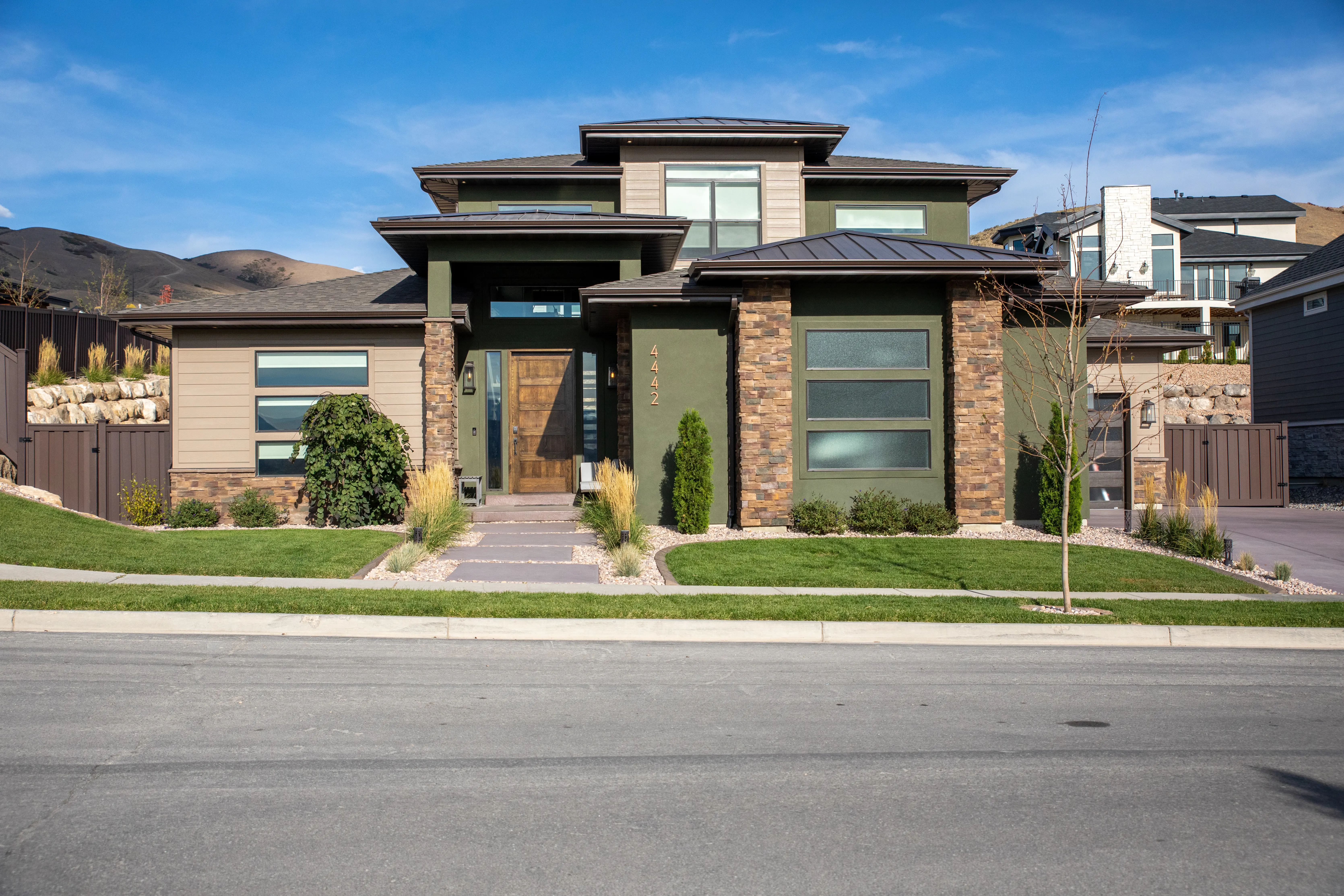
Is Buying in Provo or Vineyard a Good Move After City Hall Changes?

August 13, 2026

Is Buying in Provo or Vineyard a Good Move After City Hall Changes?

08/13/2026

What Could Provo and Vineyard City Hall Changes Mean for Utah County Homebuyers?

Quick Answer: City Hall changes in Provo and Vineyard can matter for buyers because local government decisions often influence planning, permitting, infrastructure priorities, and future neighborhood expectations. These changes do not automatically make one city a better buy than the other, but they can affect how you evaluate timing, due diligence, and long-term fit. Buyers should watch for updates tied to zoning, services, transportation access, public improvements, and any property-specific obligations before writing an offer.

Key Takeaways

  • City Hall changes can influence buyer due diligence and timing.
  • Local planning decisions may affect future neighborhood expectations.
  • Provo and Vineyard should be evaluated property by property.
  • Permitting, zoning, and infrastructure priorities can shape buyer confidence.
  • Accurate cost details come from official records and disclosures.
  • No single city is the right fit for every buyer.

One of the biggest misconceptions I hear is that City Hall news only matters after you already own a home. Buyers often focus on the listing price, the floor plan, and the monthly payment, while local policy changes sit in the background.

In reality, local government decisions can shape the ownership experience long before closing.

As a local specialist serving Utah and a top producing broker helping buyers and sellers in Provo and Utah County year after year, I pay attention to these civic shifts because they can affect how buyers compare location, future resale considerations, and the questions that need to be answered before an offer feels right.

Buying Near Provo’s Old City Center Site vs. Vineyard’s Planned Civic Center

Aspect Provo Downtown Vineyard Downtown
Type of change Redevelopment of an old City Center site in an established downtown setting, with Provo describing a mixed-use vision that may include public space, retail, restaurants, residential units, and structured parking. ([provo.gov](https://www.provo.gov/CivicAlerts.aspx?AID=167)) Planning for a new City Hall within Vineyard’s downtown area, with city documents describing a civic center concept tied to downtown growth and regional planning coordination. ([utah.gov](https://www.utah.gov/pmn/files/1197625.pdf))
Buyer lens Best evaluated through walkability, parking, noise tolerance, older-home condition, condo or townhome documents when applicable, and how much downtown activity you want near home. Best evaluated through long-term infrastructure plans, association rules, future construction nearby, commute patterns, and how comfortable you are buying in an area still taking shape.
Main opportunity Potential access to a more active downtown core if the final redevelopment supports the public-facing uses Provo has described. ([provo.gov](https://www.provo.gov/CivicAlerts.aspx?AID=167)) Potential proximity to future civic services, public spaces, and downtown amenities if the city’s planning vision advances as intended. ([utah.gov](https://www.utah.gov/pmn/files/1197625.pdf))
Main caution Do not price a home as if every proposed amenity is already delivered; RFPs, approvals, and construction conditions can change. Do not assume every nearby parcel will feel finished quickly; buyers should check phasing, road plans, utility plans, and budget approvals.
Due diligence focus Review Provo planning records, council materials, zoning context, seller disclosures, title documents, parking arrangements, and any HOA or condo association documents. Review Vineyard city agendas, budget materials, public notices, association documents, seller disclosures, title documents, and current Utah County property tax records.

Why City Hall Changes Matter to Buyers

City Hall changes can matter because they often signal how a community is organizing for growth, services, planning, or public investment. For buyers, the practical question is not whether a headline sounds positive or negative; it is whether the change affects the specific property, neighborhood, and timeline you are considering.

A municipal move, department change, planning update, or public-service adjustment may influence how quickly buyers can obtain information, how development questions are handled, or how future improvements are discussed. None of that replaces standard due diligence, but it can sharpen the questions you ask before closing.

Buyers should pay attention to:

  • Planning and zoning updates
  • Permit review timelines
  • Infrastructure priorities
  • Public meeting records
  • Property tax records
  • Seller disclosures

What Should Buyers Know About Provo and Vineyard?

Buyers should know that Provo and Vineyard may present different ownership questions, even within the broader Utah County market. The right comparison depends on your commute needs, property type, budget comfort, and how much future change you are willing to absorb.

Provo

Provo buyers often need to evaluate established property condition, location-specific demand, and how nearby city decisions may affect long-term ownership expectations. If you are comparing homes in or around Provo, reviewing neighborhood context through the Provo community page can help frame the conversation before you narrow your search.

Vineyard

Vineyard buyers may be especially focused on how local planning, infrastructure, and future services align with the type of home they want to own. Because property details can vary widely, buyers should review current city materials, seller disclosures, association documents when applicable, and any available assessment history before relying on assumptions.

How Local Decisions Can Affect Your Buying Strategy

Local government changes can influence strategy by changing what needs to be verified before you offer, during inspection, and before final loan approval. A well-priced home may still require extra review if there are pending questions about nearby land use, access, maintenance obligations, or community services.

For buyers, this is less about trying to predict every future decision and more about reducing avoidable surprises. Property-specific records matter more than general impressions, especially when costs, rules, or improvements may change over time.

Useful sources to request or review include:

  • Current city planning notices
  • Recorded property documents
  • Seller disclosure statements
  • HOA budgets, when applicable
  • Estoppel information
  • Assessment history

Costs and Obligations Buyers Should Verify

Ownership costs can vary by property, city, association, and use. Buyers should avoid relying on outdated estimates or casual comparisons because property taxes, insurance, assessments, utilities, and association obligations may change.

The accurate figures live in current documents, not in assumptions. Property tax records, insurance estimates, seller disclosures, association documents, maintenance records, and rental history when applicable can give buyers a clearer picture of the ongoing cost profile.

If a property is part of an association, the budget, reserve information, rules, and assessment history deserve careful review. If a home has unique use, rental, or improvement considerations, those details may create additional obligations depending on location and property type.

What I Recommend Every Buyer Review

Before closing, I encourage buyers to review:

  • Current city planning materials
  • Property tax records
  • Seller disclosures
  • HOA documents, when applicable
  • Assessment and maintenance history
  • Insurance estimates
  • Future use or rental limits

These conversations are just as important as negotiating the purchase price.

Is Buying Near Provo or Vineyard City Hall Changes Right for You?

For many buyers, the answer can be yes if the home fits your budget, lifestyle, commute pattern, and tolerance for future local change. City Hall updates do not automatically create a red flag, but they do call for a more thoughtful review of the property and the surrounding decision-making environment.

No single option wins for every buyer. A home in Provo may fit one buyer’s priorities, while a Vineyard property may better match another buyer’s preferred layout, timing, or long-term plans.

The strongest decision is the one that balances price, condition, location, and documented obligations. With the right questions, buyers can move forward with more clarity and less guesswork.

Explore Homes for Sale

Browse Homes for Sale

Related Guides

Have questions about buying in Provo, Vineyard, or elsewhere in Utah County? Connect with Summer Luke at OnX Realty to talk through your goals, compare current opportunities, and explore listings on onxrealty.com.

Frequently Asked Questions

Will the Provo City Hall redevelopment make downtown Provo homes more desirable?

It may, depending on how the old City Center site is ultimately developed and how nearby blocks absorb the change. Provo has stated that the site is in the heart of Downtown and that its vision includes public space, Center Street retail and restaurant frontage, residential units, and structured parking, so buyers should watch the final plan rather than assume an immediate value jump. ([provo.gov](https://www.provo.gov/CivicAlerts.aspx?AID=167))

Should I buy near downtown Provo before the City Hall site is redeveloped?

Buying near downtown Provo can make sense if the home fits your budget, commute, parking needs, and tolerance for future construction activity. The redevelopment may support more activity over time, but the current RFP process and final project details matter, so buyers should evaluate the property on today’s fundamentals first. ([provo.gov](https://www.provo.gov/CivicAlerts.aspx?AID=167))

What does Vineyard’s new City Hall planning mean for buyers?

Vineyard’s City Hall planning points toward a more formal civic center within its downtown planning area, which may affect how buyers think about access to services, future public spaces, and long-term growth patterns. City documents describe a downtown concept connected to a regional transit-served core, parks, public spaces, housing, and Utah Lake trail access, but buyers should confirm which pieces are approved, funded, and timed before relying on them. ([utah.gov](https://www.utah.gov/pmn/files/1197625.pdf))

Is Vineyard riskier to buy in because of recent city government changes?

Not necessarily, but buyers should pay closer attention to public records, city budgets, and future infrastructure decisions. Recent reporting has noted financial process changes, audit follow-up, and a newly seated city council, so the practical takeaway is to verify rather than speculate. ([ksl.com](https://www.ksl.com/article/51431074/vineyard-implementing-financial-change-while-welcoming-new-city-council))

Could city hall projects raise property taxes or ownership costs?

They could affect municipal budgets over time, but costs are not universal and should not be assumed from a headline. Buyers should review current Utah County property tax records, seller disclosures, association documents, assessment history, and any applicable public notices tied to the specific property.

Are Provo and Vineyard good options for Utah County buyers who want future growth?

Both can be worth considering, but they represent different kinds of growth. Provo’s conversation is centered more around infill and downtown redevelopment, while Vineyard’s is tied to a newer downtown framework and civic planning; the better fit depends on whether you prefer an established urban core or a newer master-planned environment. ([provo.gov](https://www.provo.gov/CivicAlerts.aspx?AID=167))

What should I check before buying near a proposed civic or downtown project?

Buyers should confirm what is approved versus proposed, whether construction timing is known, and whether the property has any special assessments, HOA obligations, parking limits, or rental restrictions. The most reliable sources are city planning records, council agendas, seller disclosures, title documents, association documents, and current property tax records.

Will these city hall changes create more housing inventory?

They may contribute to future housing opportunities, but buyers should avoid assuming a specific amount, type, or timeline unless it appears in approved city records. Provo’s stated vision for the old City Center site includes residential units, while Vineyard’s downtown planning references a diverse array of housing, but actual inventory depends on approvals, financing, construction sequencing, and market conditions. ([provo.gov](https://www.provo.gov/CivicAlerts.aspx?AID=167))

Local Market Insight

A very Utah County-specific point: city hall headlines can influence buyer interest, but the real ownership story is often buried at the parcel and document level. In my opinion, buyers comparing Provo and Vineyard should treat civic projects as context, not as the reason to waive due diligence. Before making a final decision, confirm these items directly:

  • Current Utah County property tax records for the exact parcel.
  • Seller disclosures, including any known nearby development or construction issues.
  • HOA, condo, or association documents and current budget, when applicable.
  • Assessment history, estoppel information, and any pending community obligations.
  • City planning records that separate approved projects from concepts still under review.

Summer Luke

Premier Real Estate Broker | Provo Utah

Top producing broker helping buyers and sellers in Provo and Utah County year after year.

📞 (907) 435-4848

onxrealty.com

Is Provo, Utah a Good Place to Live in 2027?

What Should Buyers Expect Living in Provo, Utah in 2027? Quick Answer: Living in Provo, Utah in 2027 can be a strong fit for buyers who want a Utah County location with access to city services, established residential areas, and a range of property types. The right choice depends on your budget, commute needs, ownership costs, and how long you plan to stay. Buyers should compare homes by total monthly obligation, not just asking price, using current lender estimates, property tax records, seller disclosures, insurance estimates, and any association documents when applicable. Key Takeaways Provo buyers should evaluate lifestyle fit and long-term ownership costs together. 2027 planning starts with today’s financing, inventory, and inspection realities. Neighborhood choice may affect commute patterns, upkeep, and resale flexibility. Association rules, assessments, and rental policies can vary by property. Seller disclosures and maintenance records often reveal important ownership details. No single Provo location fits every buyer; fit should drive the search. One of the biggest misconceptions I hear is that buyers can judge Provo by national real estate headlines alone. National trends can shape expectations, but they do not tell you how a specific Utah County home, neighborhood, or offer situation may behave. Local context changes the decision. As a local specialist serving Utah, and as a top producing broker helping buyers and sellers in Provo and Utah County year after year, I look at Provo through both the lifestyle and ownership lens. For buyers considering 2027, the smarter question is not only whether Provo is appealing, but whether a specific home supports your budget, your daily routine, and your long-term plan. What Should Buyers Expect From the Provo Market in 2027? Buyers should expect Provo in 2027 to require preparation, local comparison, and disciplined due diligence. A strong purchase is often less about chasing the perfect moment and more about understanding how a property’s price, condition, location, and ownership structure work together. Current 2026 conditions should be used as the starting point for planning. Financing terms, available inventory, seller expectations, and buyer competition may change before 2027, so buyers should refresh their assumptions before writing an offer. Useful planning sources include: Current lender pre-approval terms Recent comparable property activity Seller disclosure documents Property tax records Insurance estimates HOA documents, when applicable Provo Lifestyle Factors Buyers Should Weigh Living in Provo can appeal to buyers who want a Utah County base with access to work, education, recreation, and everyday services. The tradeoff is that convenience, lot size, home age, parking, and maintenance needs can vary widely from one property to another. Rather than ranking Provo by a single lifestyle label, buyers should define the daily rhythm they want. Commute patterns, errands, outdoor access, storage needs, and guest parking may matter as much as bedroom count. Key lifestyle questions include: How will your commute work? Do you need extra parking? How much upkeep is realistic? Are rental rules relevant? What layout supports your routine? Neighborhood Fit in Provo and Utah County No single Provo area is the right answer for every buyer. The better approach is to compare property condition, access, ownership rules, and resale flexibility against your priorities. Provo Bench - Edgemont Buyers comparing Provo options may want to review Provo Bench - Edgemont as part of a broader neighborhood search. Focus on the specific home, street context, age, updates, and maintenance history rather than assuming every property in the area will carry the same advantages or obligations. For buyers looking beyond one neighborhood, the broader Utah County search may include different tradeoffs in space, commute, pricing strategy, and property type. A structured comparison can help keep the decision grounded. Ownership Costs Beyond the Purchase Price The purchase price is only one part of the Provo buying decision. Your actual cost of ownership may also include taxes, insurance, utilities, maintenance, association dues, special assessments, repairs, and future improvements. Specific figures should come from current sources, not estimates pulled from old listings or broad averages. Property tax records, seller disclosures, insurance quotes, association budgets, estoppel information, assessment history, and maintenance records can help clarify what a buyer may actually inherit. Costs may change after closing, especially when a property has association rules, deferred maintenance, rental use considerations, or location-specific obligations. The cleanest offer strategy accounts for these items before you become emotionally locked into the home. What I Recommend Every Buyer Review Before closing, I encourage buyers to review: Current lender approval and payment range Seller disclosures and repair history Inspection findings and priority repairs Property tax and assessment records Insurance availability and coverage options HOA budget and rules, when applicable Resale factors tied to location and condition These conversations can be just as important as negotiating the purchase price. Is Living in Provo, Utah in 2027 Right for You? For many buyers, the answer may be yes if Provo supports both the numbers and the lifestyle. A home that fits your payment range but strains your commute, maintenance capacity, or future plans may not be the right match. No single property type, neighborhood, or timing strategy wins for every buyer. The best path is to compare your budget, daily routine, tolerance for upkeep, and long-term goals against the homes actually available when you are ready. If Provo remains on your shortlist for 2027, start with clarity. A thoughtful plan can help you move decisively when the right property lines up with your priorities. Explore Homes for Sale Browse Homes for Sale Related Guides Cost of Living in Provo, Utah: What First-Time Buyers Should Know 5 Reasons Locals Truly Enjoy Living in Provo, Utah: What Buyers Need to Know Complete Guide to Living in Provo, Utah (2026) Best Neighborhoods in Provo, Utah for Real Estate Investors What It Takes to Retire in Provo, Utah: Key Steps for a Smooth Move Ready to compare Provo homes with a local market advisor? Connect with Summer Luke at OnX Realty, or explore current listings and buyer resources at onxrealty.com.

Read more

Is Buying a Home Near Provo Canyon a Good Idea for Mountain Living?

What Does Zion’s Recent Rockfall Remind Provo-Area Homebuyers About Canyon Roads and Mountain Living?Quick Answer: Zion’s recent rockfall is a reminder that canyon and mountain living can come with access, maintenance, insurance, and emergency-planning questions that buyers should review before writing an offer. The National Park Service describes rockfall as a natural process in canyon terrain, which makes due diligence especially relevant for homes near slopes, canyon roads, trail corridors, or seasonal routes. For buyers in and around Provo, the right property can still be an excellent fit, but the decision should account for lifestyle, road conditions, property upkeep, disclosures, and long-term ownership responsibilities. ([home.nps.gov](https://home.nps.gov/zion/learn/news/zion-national-park-reopens-weeping-rock-trail-shuttle-stop.htm?utm_source=openai))Key TakeawaysCanyon access can affect daily convenience and emergency planning.Mountain settings may require closer review of drainage and slope conditions.Insurance questions should be answered before the due diligence deadline.Seller disclosures and maintenance records can reveal important property history.Road ownership and snow removal responsibilities can vary by location.No canyon or mountain property works for every buyer.One of the biggest misconceptions I hear from buyers is that mountain views and canyon access are mostly lifestyle features. They are, but behind the scenes they can also shape inspections, insurance conversations, commute planning, and the way you evaluate long-term maintenance.The view is only one part of the purchase.As a local specialist serving Utah, Summer Luke is known as a top-producing broker helping buyers and sellers in Provo and Utah County year after year. I have learned that the strongest buyers are not the ones who fall out of love with mountain living — they are the ones who understand what they are buying before they fall too hard for the setting.What Should Buyers Know About Canyon Roads Near Provo?Canyon roads can be beautiful, useful, and occasionally inconvenient. Access may be affected by weather, maintenance, rockfall risk, congestion, construction, or seasonal management, depending on the location and road authority.For Provo-area buyers, that means the road serving the home deserves almost as much attention as the home itself. A property can feel simple on a sunny showing day, then feel very different when you consider winter driving, visitors, service providers, deliveries, and emergency access.Road questions to ask early include:Public or private road statusSnow removal responsibilitySeasonal closure patternsEmergency vehicle accessMaintenance agreement documentsKnown drainage concernsMountain Living Is a Property-Condition ConversationMountain and foothill settings can make ordinary inspection items more important. Drainage, retaining walls, roof condition, exterior materials, decks, driveways, and grading may all deserve extra attention because exposure, slope, moisture, sun, and freeze-thaw cycles can affect upkeep.That does not mean buyers should avoid these homes. It means the inspection period should be used carefully, with the right specialists brought in when applicable.Useful records may include seller disclosures, maintenance records, past inspection reports, insurance estimates, property tax records, and association documents if the home is part of an HOA or shared-road arrangement. Accurate costs live in those current documents, not in a generic estimate.Where This Matters Around Utah CountyDifferent parts of the Provo-area market can raise different due diligence questions. The goal is not to rank one area over another; it is to match the setting to your tolerance for access, upkeep, and lifestyle tradeoffs.Provo Bench - EdgemontBuyers considering Provo Bench - Edgemont often want to understand how elevation, hillside positioning, roads, and property condition may affect day-to-day ownership. A careful review of disclosures, drainage, roof age, and winter access can help you compare homes more clearly.North Utah CountyNorth Utah County can appeal to buyers comparing different access patterns, commute routes, and property types. Before deciding, review the specific parcel, road responsibility, nearby slope conditions, and any association documents tied to the home.South Utah CountySouth Utah County may give buyers another way to compare price, space, road access, and maintenance expectations within the broader county. The right choice depends on the individual home, not just the area name.Insurance, Disclosures, and Long-Term CostsInsurance should be discussed before your due diligence deadline, not after closing. Homes near slopes, canyons, wildfire-prone areas, private roads, or unique access points may require more detailed underwriting questions, and policies can vary by property.Buyers should ask for current, property-specific information rather than relying on assumptions. The most useful sources are insurance estimates, seller disclosures, assessment history, property tax records, HOA budgets, estoppel information when applicable, and maintenance records.Ownership obligations may change over time. Assessments, insurance requirements, road agreements, and maintenance needs can shift depending on the property type, location, rental use, and governing documents.What I Tell Buyers to Check FirstBefore closing, I encourage buyers to review:Seller disclosures and known hazardsRoad ownership and maintenance dutiesSnow removal and access plansDrainage, grading, and retaining wallsInsurance availability and exclusionsHOA budget and governing documentsPast repairs and maintenance recordsThese conversations are just as important as negotiating the purchase price, because they shape how the home actually lives after closing.Is Mountain or Canyon Living Right for You?For many buyers, the answer can be yes. A Provo-area home with mountain access or canyon influence may offer the setting, outdoor connection, and day-to-day lifestyle you want, as long as the practical pieces fit your budget and comfort level.No single option wins for every buyer. A lower-maintenance home with easier access may be a better match for one buyer, while another may gladly accept more upkeep for the location and setting.The best decision is the one that still feels solid after the inspection, disclosure review, insurance conversation, and road-access questions are complete. That is where a beautiful property becomes a well-understood purchase.Explore Homes for SaleBrowse Homes for SaleRelated GuidesCost of Living in Provo, Utah: What First-Time Buyers Should KnowWhat Provo Homebuyers Need to Know About Today’s Interest Rates5 Reasons Locals Truly Enjoy Living in Provo, Utah: What Buyers Need to KnowComplete Guide to Living in Provo, Utah (2026)Best Utah Markets for Real Estate Investors: Why Provo Belongs on the ShortlistThinking about buying in or around Provo and want a clearer read on access, disclosures, insurance, and long-term fit? Connect with Summer Luke at OnX Realty and explore current opportunities at onxrealty.com.

Read more

Work with us

We Do the Work, You Live the Lifestyle

From Logan to St. George, along the Wasatch Front to the Red Rocks of central Utah, as well as other markets across the U.S., we've been helping clients secure value and enhance profits for nearly two decades. The Utah real estate market is the perfect blend of recreation, supported by the number one economy in the country. With excellent higher education schools and tremendous career opportunities, many are choosing to call Utah 'Home'.Whether you're looking for your home, or for investment opportunities, OnX Realty knows the market, the process, and the value that you need in order for you to know you've made a good choice. We invite you to choose OnX Realty for your real estate expertise.

REALHUB is on fire today
 - property

Send a message

Message successfully sent.

Reason for contacting?

I agree to receive email communication and understand I can unsubscribe at any time.

I agree to be contacted by OnX Realty via call, email, and text for real estate services. To opt out, you can reply 'stop' at any time or reply 'help' for assistance. You can also click the unsubscribe link in the emails. Message and data rates may apply. Message frequency may vary. Privacy Policy

Sign In Sign Out

Virtual Assistant

Would you like to take the next step with this property? We can help you schedule a showing or virtual tour, or send you more details.

Yes, I would like more information.

Thank You for Your Reply, One of Our Agents will contact you as soon as possible

No, maybe later.

Thank you, you can always contact me via email, phone number or through the contact form.

Realhub AI

Lucy - Your AI-Powered Realtor

Update Your Temporary Password

Personalize your search

Enter your email and we'll notify you immediately when new listings match what you're looking for.

or enter email address

Already have an account ? Login here

Continue your home search

I agree to receive communications and understand I can unsubscribe at any time.

I agree to be contacted by OnX Realty via call, email, and text for real estate services. To opt out, you can reply 'stop' at any time or reply 'help' for assistance. You can also click the unsubscribe link in the emails. Message and data rates may apply. Message frequency may vary. Privacy Policy

Already have an account ? Login here

We use cookies

We use cookies primarily for analytics to enhance your experience. By accepting, you agree to our use of these cookies. You can manage your preferences or learn more about our cookies policy.